
Lili Nagy Marner reflects on navigating fashion as a trans woman and finding meaning in what doesn’t quite fit.
Photographer KADEN BARD DAWSON
Stylist LILI NAGY MARNER
How has your relationship to clothes shifted as your body and identity have changed?
My relationship with clothing has always been very complex. As a stylist, my job is dressing the same kind of body every day. Where is the representation? I feel like we were really building on the [body positivity] movement in the mid-2010s and then we just abandoned it.
It's hard to feel represented–I don't even see myself as the least represented person when it comes to body types in fashion media. I definitely think fashion excludes most of the people I'd like to be seeing.
What inspired your concept for this story?
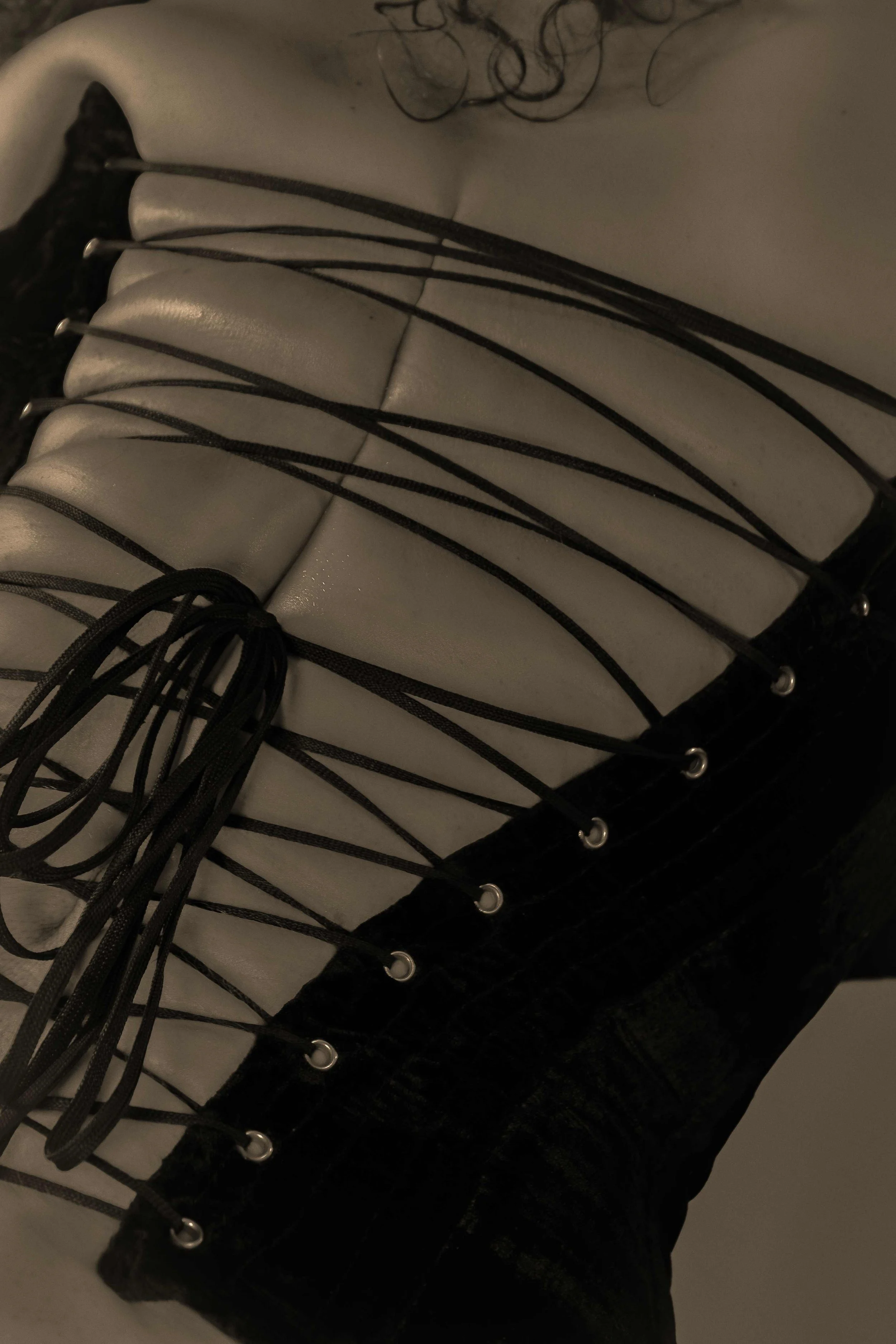
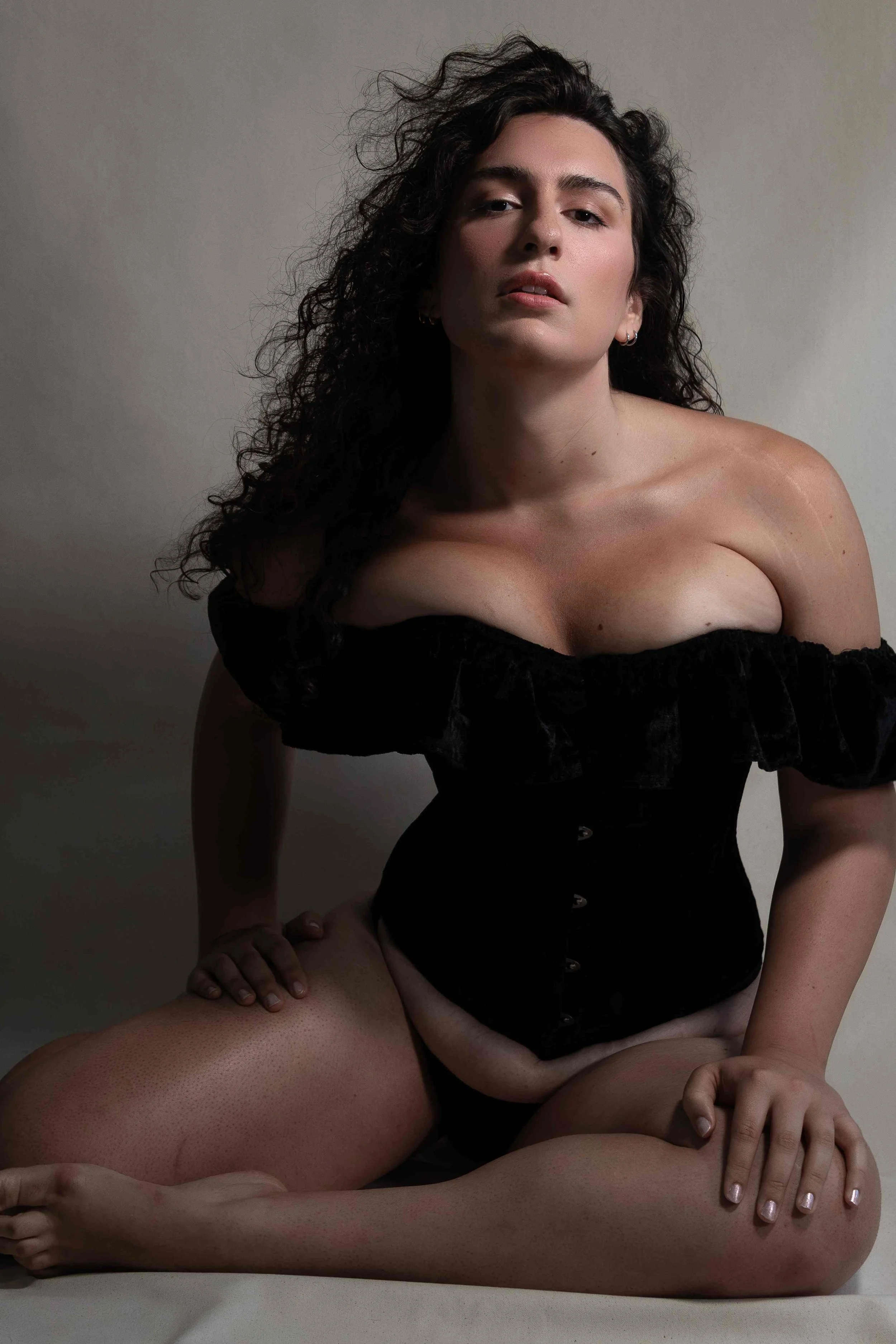
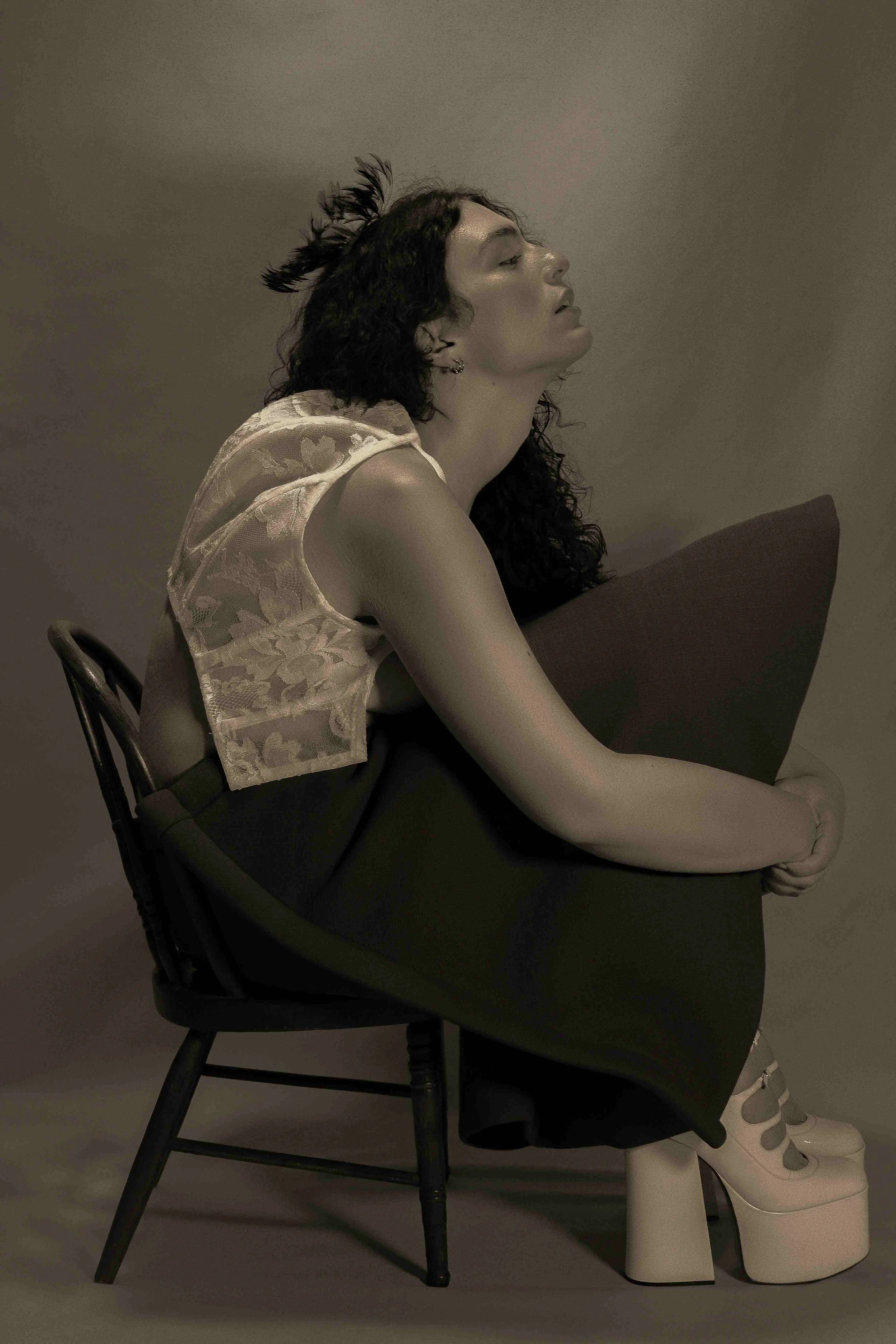
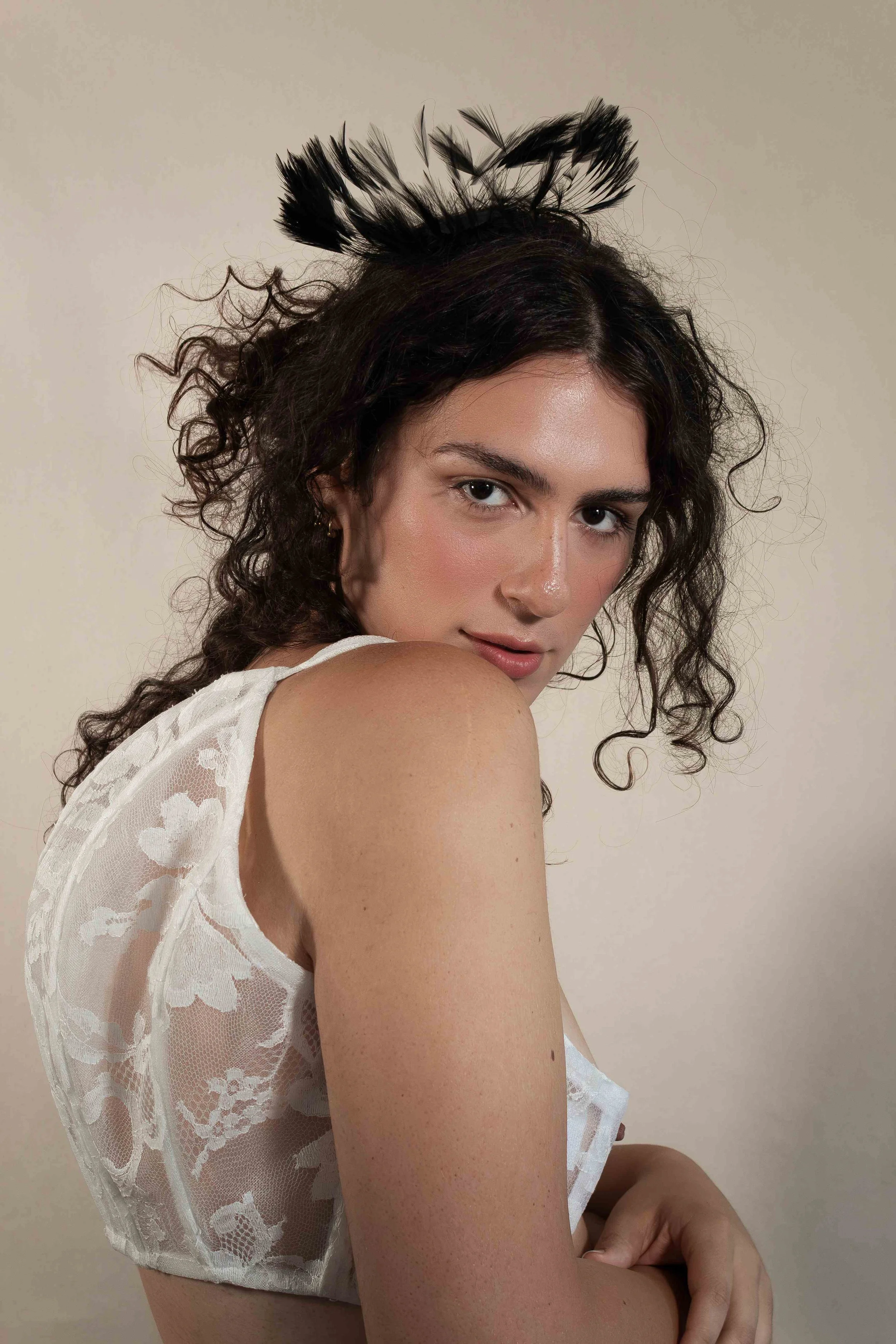
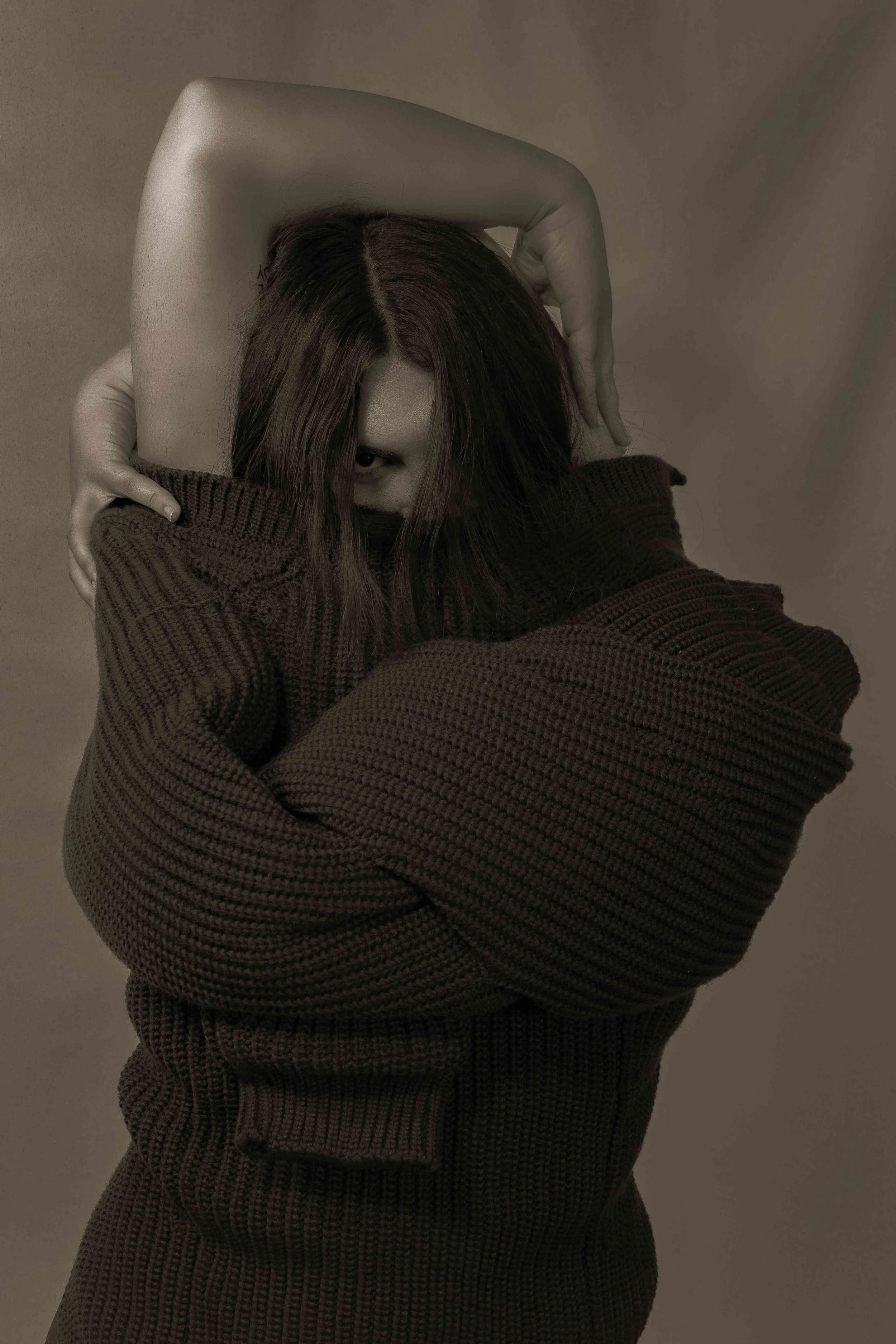
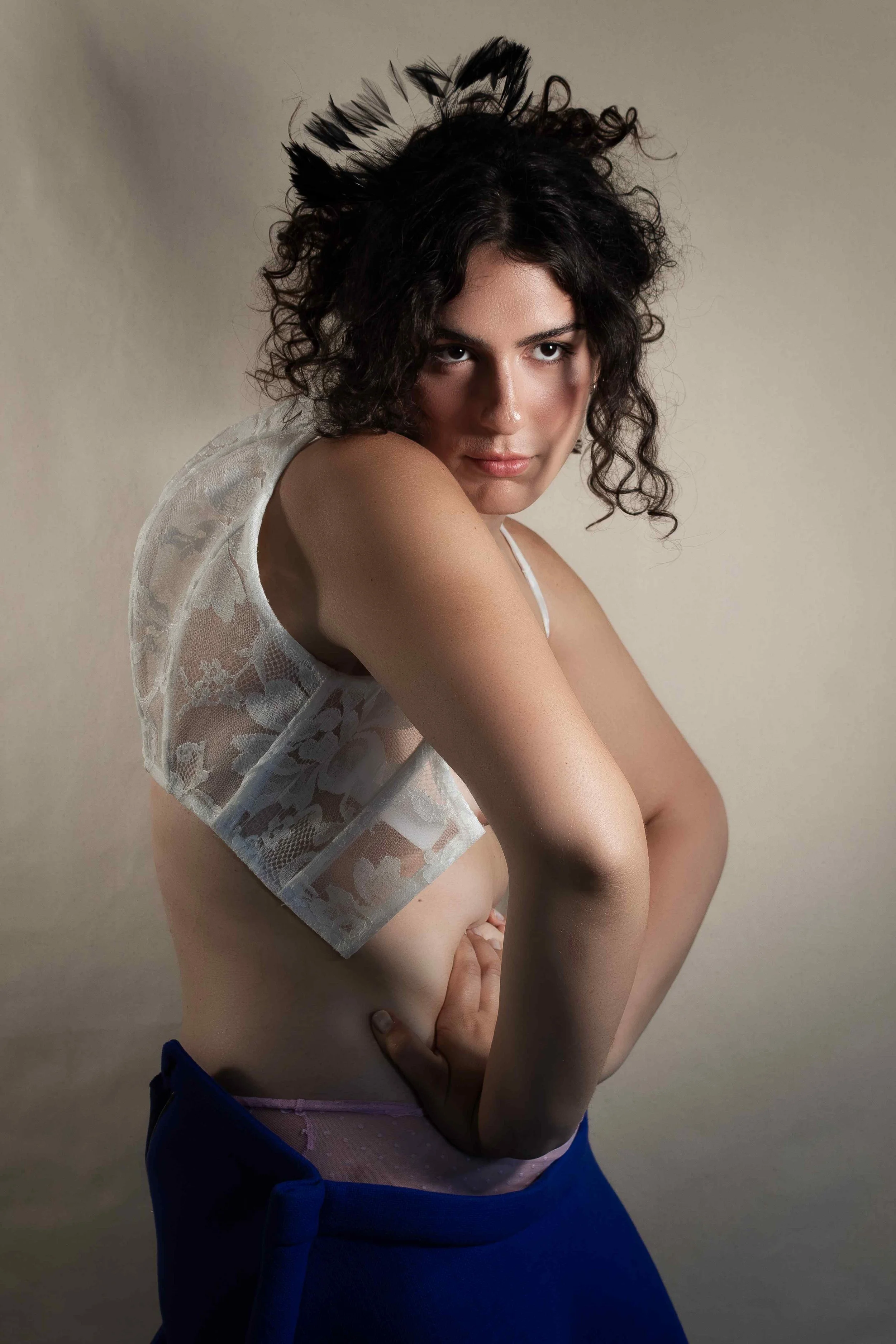
I’m a Marc Jacobs employee and I was shopping at a Marc Jacobs sample sale. I love his runway, and recently there have been so many looks where the garments are designed to appear too big for the model. I was trying the clothes on and struggling to get them over my butt. I thought, "This is the exact opposite intention of this clothing." I think it's a fascinating dynamic—there’s something really artful about it.
In this story, what did it feel like to wear clothes that didn’t fit you?
It is incredibly restricting. There was a knitted skirt that wouldn't fit over my shoulders. That was the most difficult point of the day for me. The shoot itself was so vulnerable. When I started hormones, my weight distribution completely shifted, and the clothes I loved became clothes that didn’t look right on me anymore. It’s very easy to feel alienated when that happens. I chose to set any discomfort aside and enjoy the experience. So much of my passion as a stylist is making room for joy, especially trans joy. That makes it all feel worth it.
What does it feel like being a trans woman in fashion?
To me, it's very obvious what kind of trans women that are “allowed” to be at the forefront of fashion right now. It's no disrespect to them, it's just very discouraging for all of the trans women I know. Fashion media feeds us the most digestible trans woman possible—the most passing and thin and white.
It feels really backwards. Especially because, under this [political] administration, transness is intrinsically aligned with otherness. If we're only feeding people one image of what it looks like to be a woman, then we're not expanding our perspectives as much as we should. I don't know if this story is the cure by any means, but I just hope that more trans girls feel inspired to really make that space for themselves.
When do you feel the most beautiful?
My boyfriend makes me feel very beautiful. I love going on dates with him, and just being in love in public with him. My boyfriend is also trans which makes me feel special.
I also feel so beautiful when I’m with my trans sisters—going out with them for a girls night and dressing up. It's liberating to acknowledge how individually beautiful we all are.
What does the body mean to you?
When I moved to New York and started hormones, I felt like my body changed so much. I think what really intimidates [trans] people about a medical transition specifically is how much it changes you.
Styling, getting comfortable changing in front of people, and showing more of my body really helped me embrace fluidity and the ability to see clothes as not such a binary medium.
Talent LILI NAGY MARNER
Hair & Makeup Artist RYANN CARTER
Stylist Assistant TYLER DELBAUGH
Set Producer RUARIDH ALENE GONZALES
Movement Director LUNETTA GREEN
This story was first published in print for Bias Cut 04: The Body Issue.