
On Latency
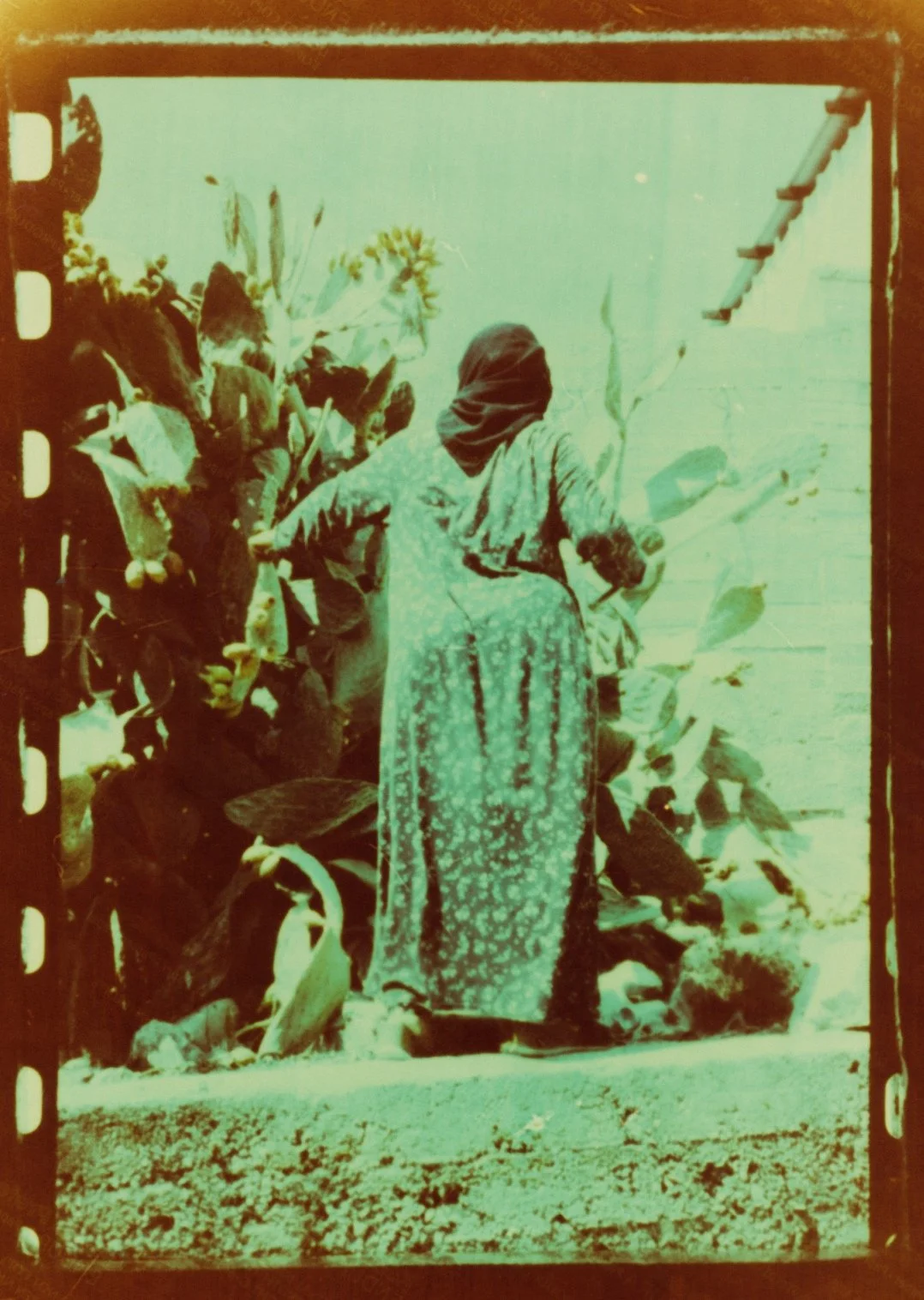
Zach Hussein is a Palestinian-American photographer who lives and works between the Occupied West Bank and the East Coast of the United States. Shot on 35mm color-positive slide film and printed through a color-negative darkroom process, his images construct throughlines of connection and care between communities separated by seas.
By ZACH HUSSEIN
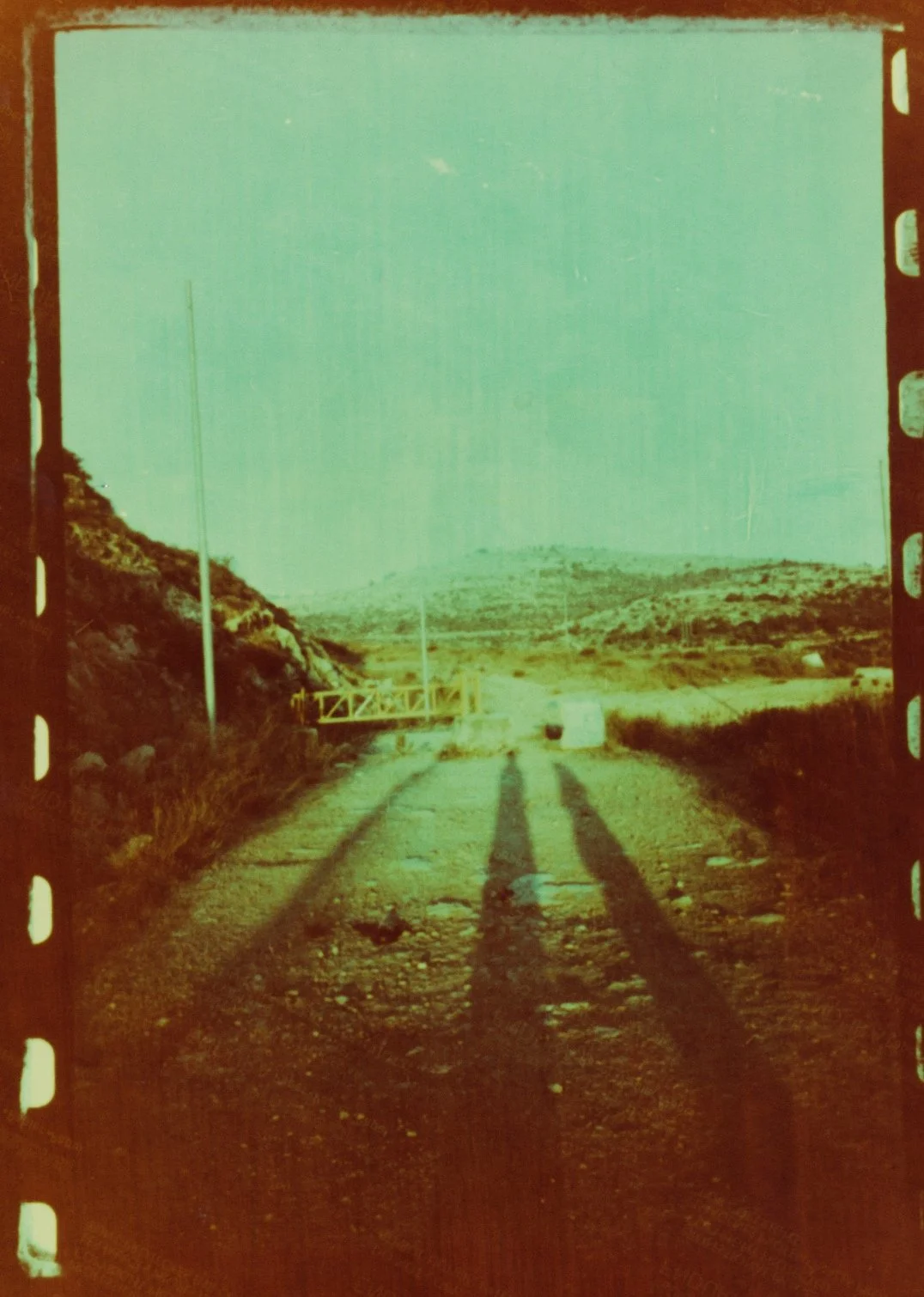
Creating photographs in the occupied West Bank is fraught with pressure, as capturing the likeness of a land under increasing occupation becomes an act of frantic documentation.
“In every reprojection of the film, the homeland becomes alive again, a continuance of the original light captured.”
This view, whether an olive tree here, a stone there, the checkpoint (open now), or bullet holes arranged in a pattern of three straight and four crooked, could change in an instant. They probably will change. The olive tree will be ripped from the earth and severed. The checkpoint will close, likely to never open again. The bullet holes that pockmark the narrow corridors of the old city will multiply, some lodged deep within the ancient limestone walls, carrying the blood of martyrs. A rejoining of flesh and earth.
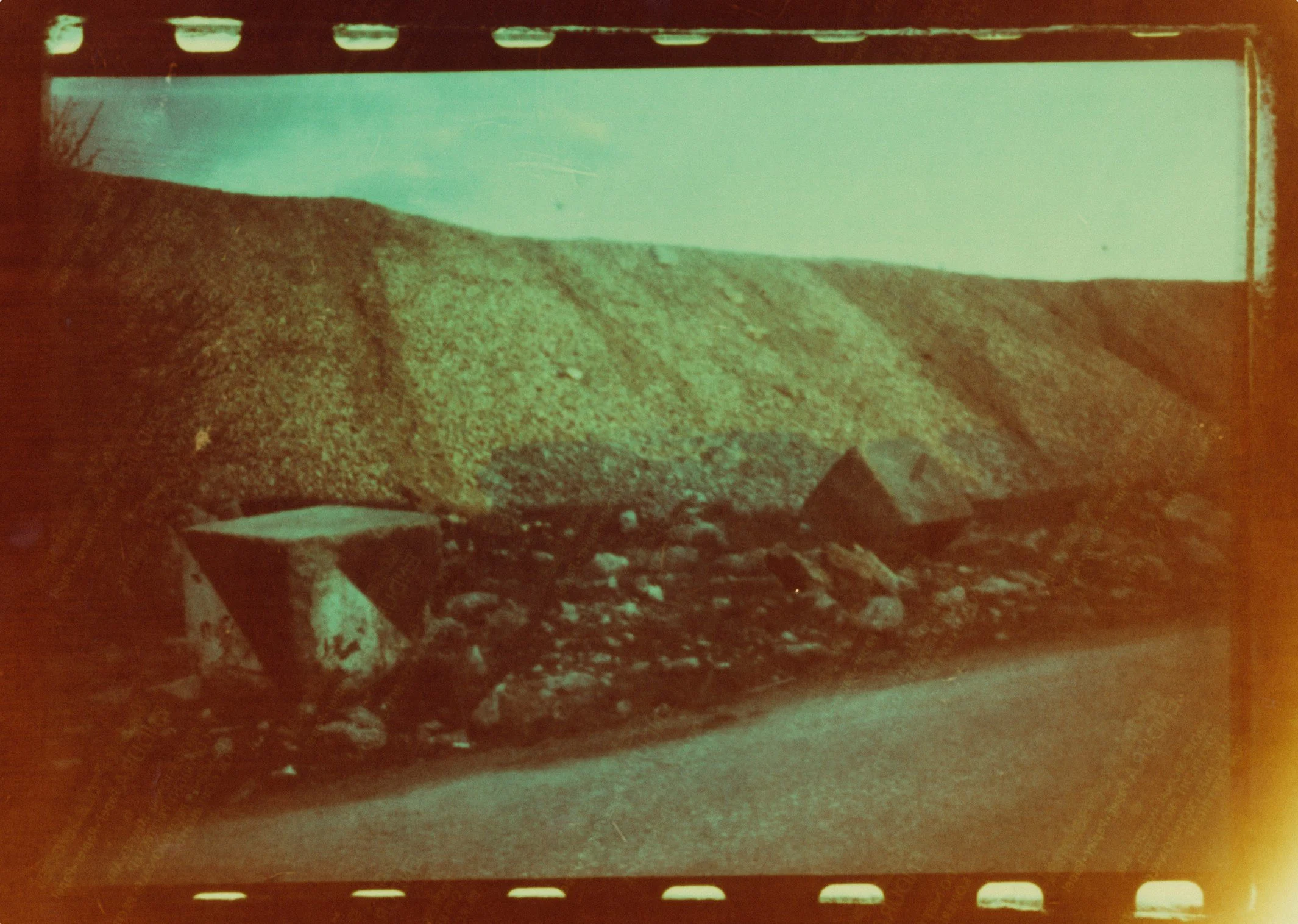
These lived experiences and captured scenes are precarious, rendered impermanent by military force. This dynamic makes the photograph ever more precious. The occupation knows this too, which is why we have to hide SD cards folded into our socks, pressed against our legs.
I carry a small 35mm camera loaded with slide film at all times. Film cannot be surveilled because the latent image cannot be recognized until it undergoes a specific chemical process, a technicality that protects some of the most intimate views of the homeland from prying eyes and technologies.
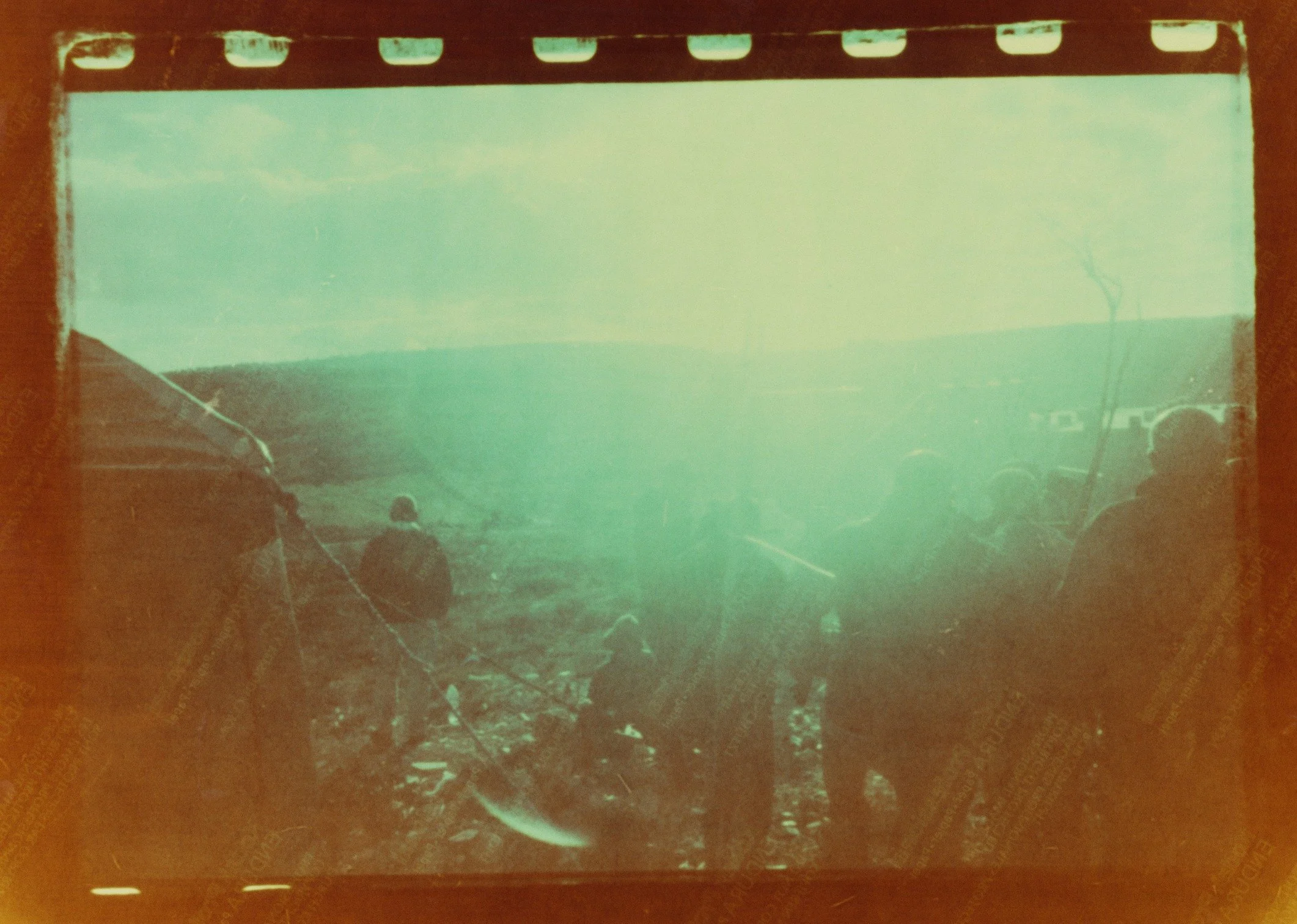
In any print or projection of the film, there is a provenance of the light—the light that came through the dust-and-drone-filled sky, bounced off of stones and trees and flesh and reflected through my lens onto the plastic of the film. In every reprojection of the film, the homeland becomes alive again, a continuance of the original light captured. It lives in absentia, where the shadows of what was and what has been taken from us reproduce and demand recognition for having once been.
The shadows burned into plastic allow for a smuggling of our stubbornness out to the world. The images are protected by a latency that skirts any high powered technology employed by the army, even if their attempts leave scars of radiation on the film. Each image and thereafter each print from the image carries the embedded stink and burn of occupation. This is how we build new Palestinian histories. In its tactility, the physical image constitutes a threat. They hoard our film reels, bomb our libraries, and assassinate our artists. The reproduction becomes a living moment that must now be deliberately targeted and eliminated in order to be forgotten.
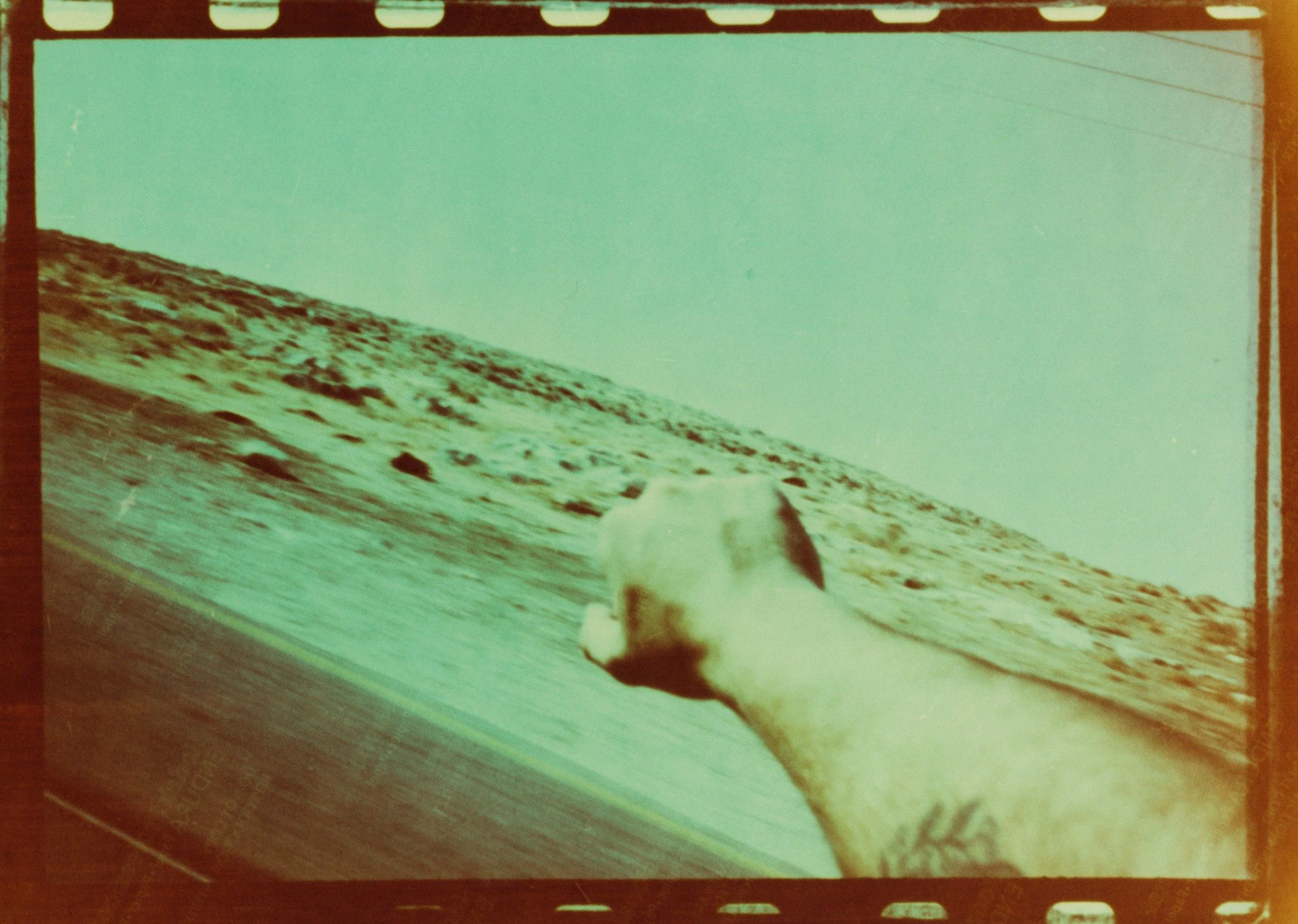
This story was first published in print for Bias Cut 04: The Body Issue.