
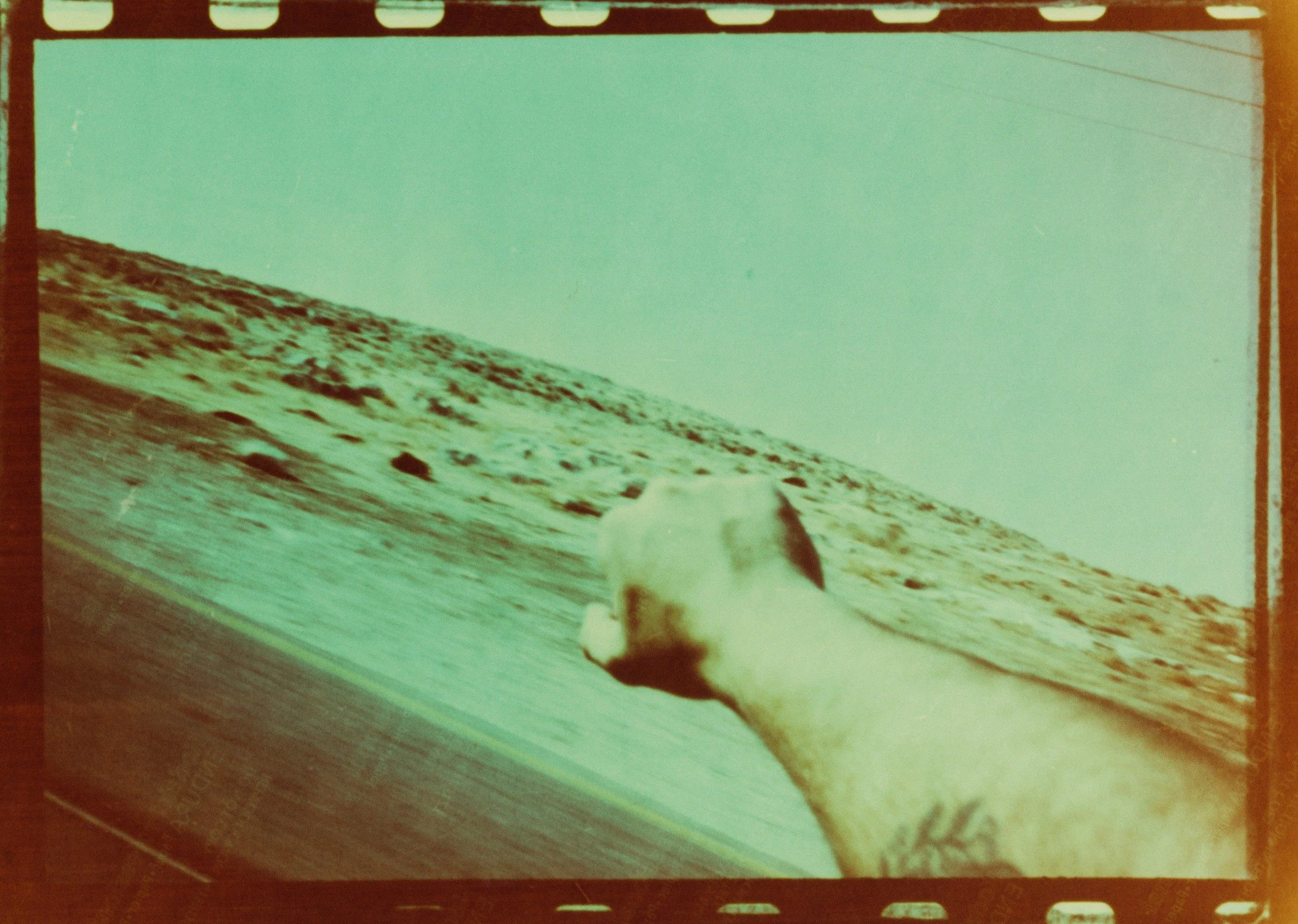
On Latency
Zach Hussein is a Palestinian-American photographer who lives and works between the Occupied West Bank and the East Coast of the United States. Shot on 35mm color-positive slide film and printed through a color-negative darkroom process, his images construct throughlines of connection and care between communities separated by seas.
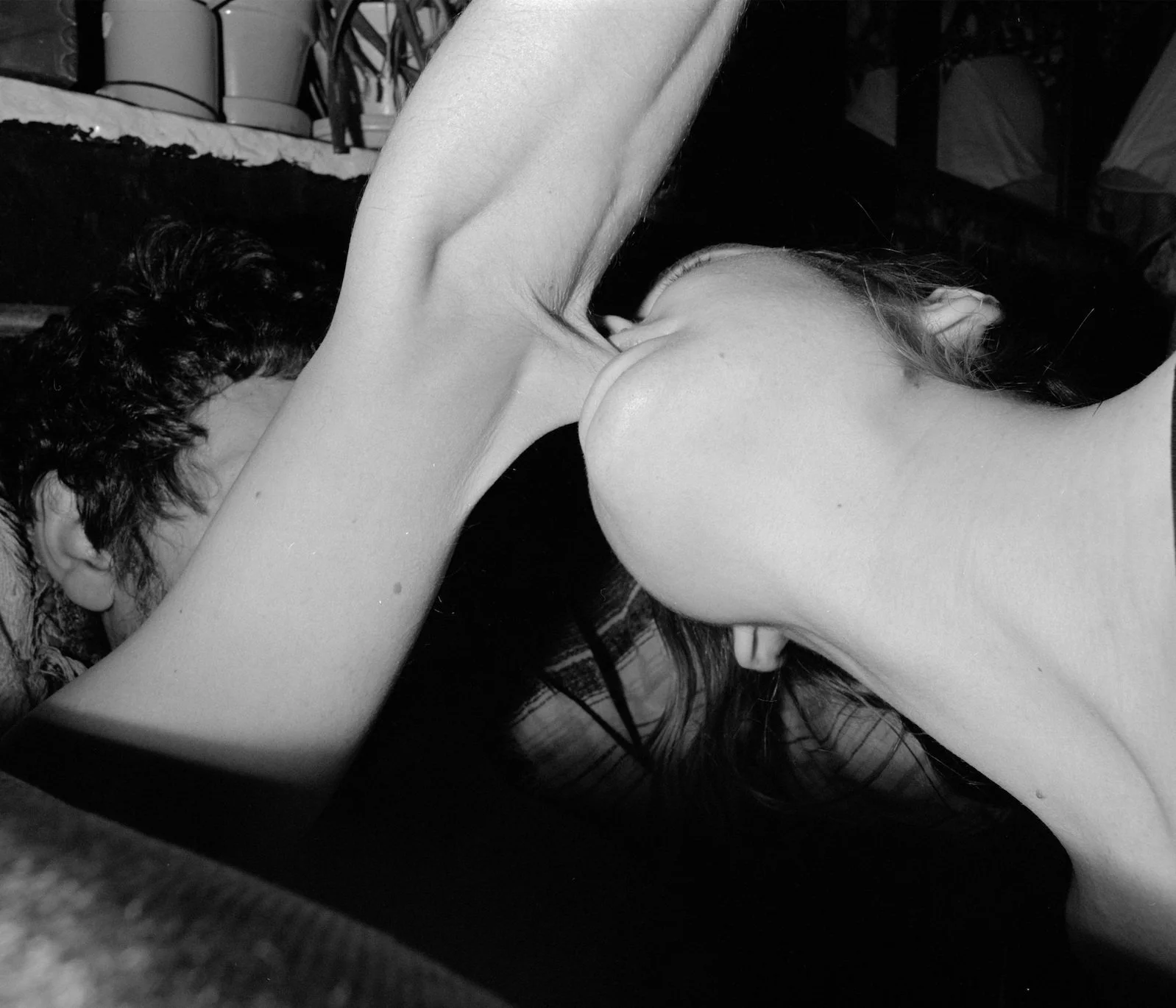
Ankle Biter
Olivia Reavey (b. 1998) is a photographer working between her studio and darkroom. In her work, found objects become weapons of intervention—they penetrate, distort, and sometimes mirror the body, as if beauty and corrosion are two versions of the same gesture.
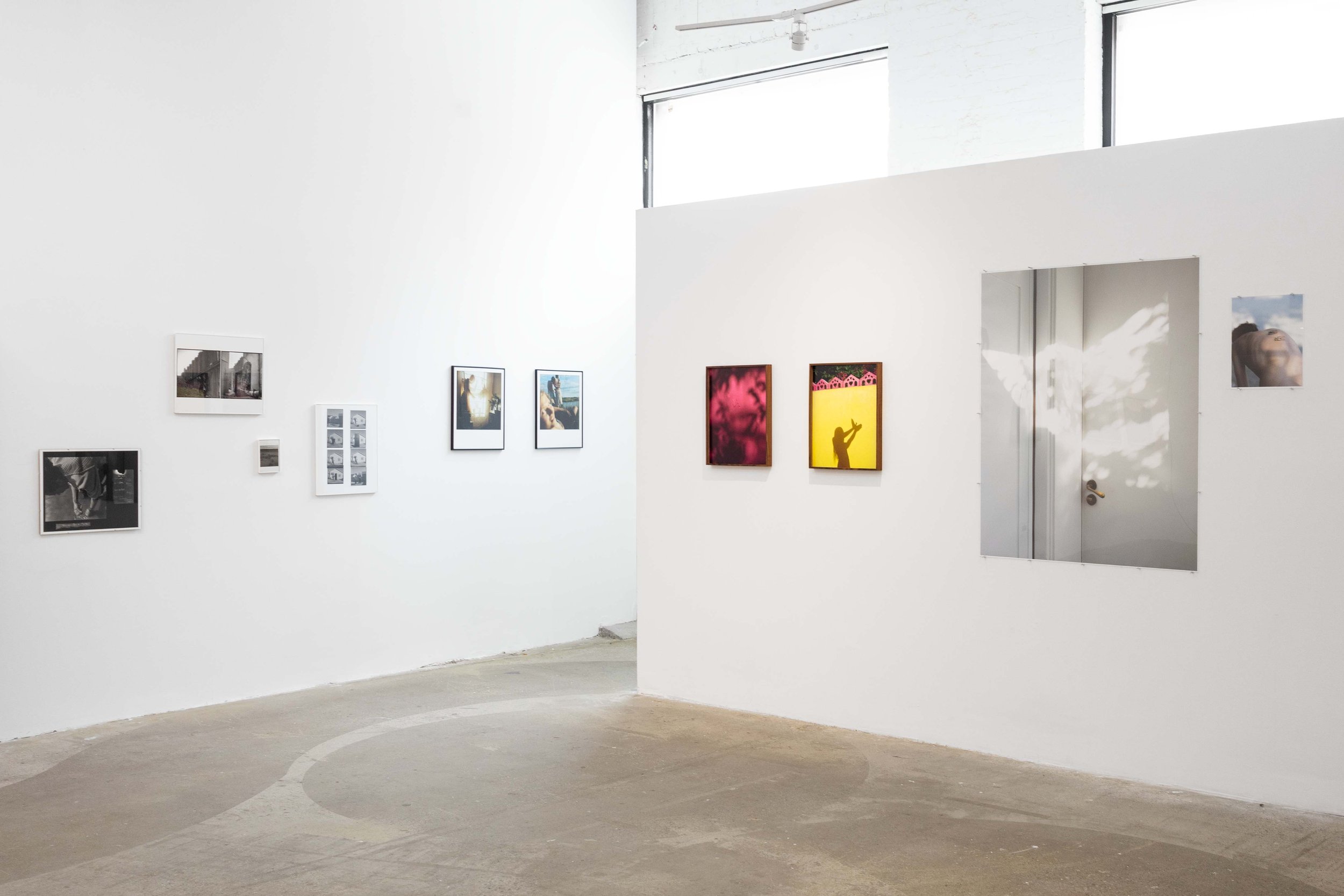
The Relentless Image, a photography exhibition at KidSuper Gallery
Bias Cut Magazine made its curatorial debut with "The Relentless Image," a group photography exhibition on view at the KidSuper Gallery from August 21-24, 2026. The exhibit explored the idea of what stories we tell over and over again, unceasingly.

Why New York?
Photographer Noah Berghammer has taken up shop on the Lower East Side of Manhattan.
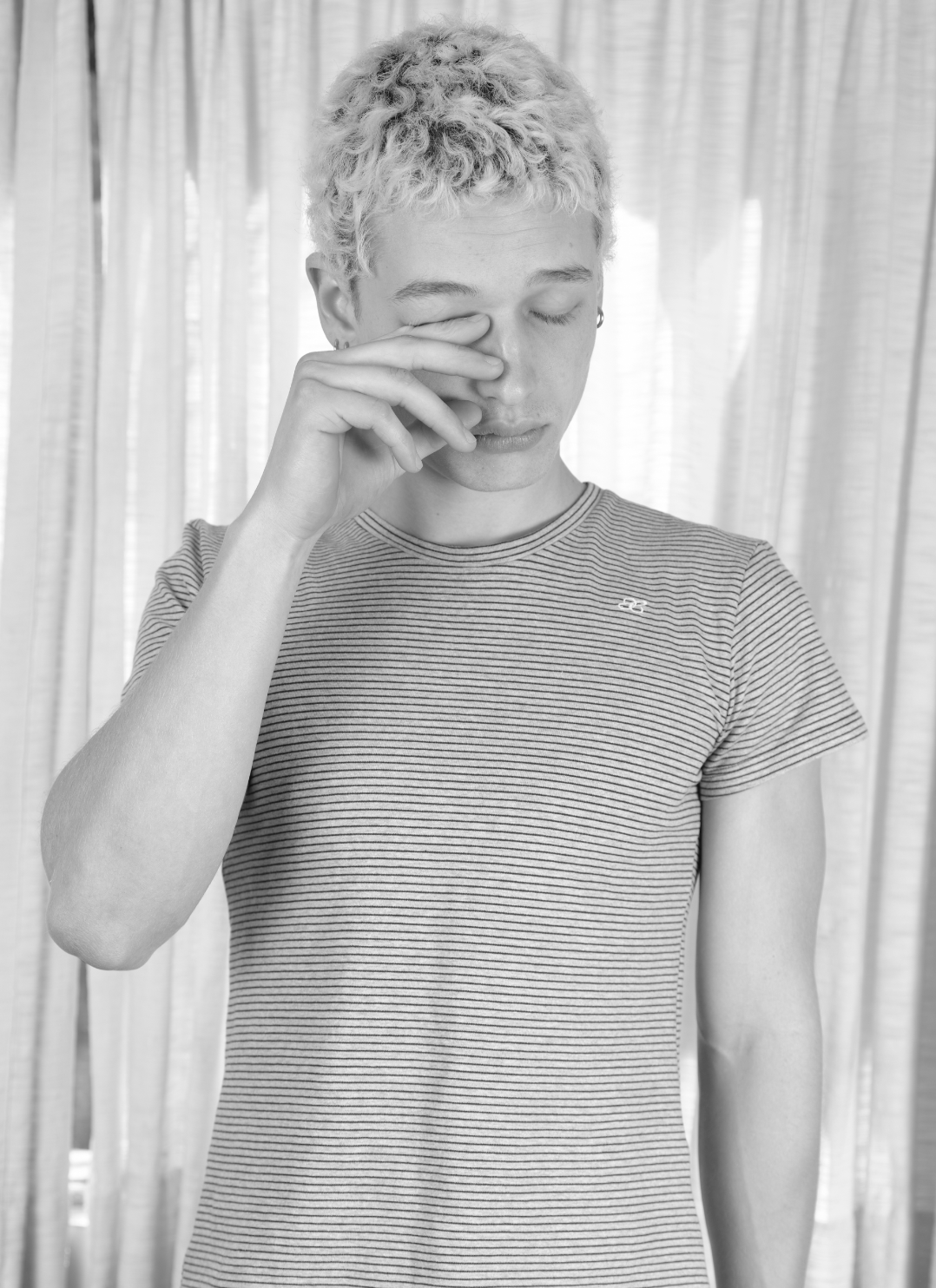
Fragmented Touch
Photographer Mathilde Favel captures the intimate gestures, objects, and moments that commemorate what it means to interact with our world and each other when we’re young.

Familial Intimacies
Greta Alexandra-Parker is an Oklahoma City based artist working in photography. Focused on family narratives in the American West and South, her work explores settler colonialism in the wake of the 21st century, environmental collapse due to land expropriation, and intergenerational family legacies.

Up North
Karl-Hens Pompilus is a 27-year-old Haitian photographer. At 10 years old, he moved to New York City beyond a life defined by survival. With his camera as a tool, Karl-Hens approaches photography as a means of confrontation and reflection.

To Wear Your (Little Queer) Heart
Musing on the lives of strangers and the particularities of their personal spaces has been the driving force behind my photographic practice for the past decade.

Mirror Stage
The Mirror Stage is a psychoanalytic concept that describes the developmental stage where infants view their reflection in a mirror as a part of themself rather than a real experience in a fragmented body.
The misrecognition of self that occurs in the mirror stage can create a false illusion of wholeness or an idealized image of “I.” While most children grow out of this stage, twins are faced with the rare experience of viewing their own reflection in another person for their entire lives.
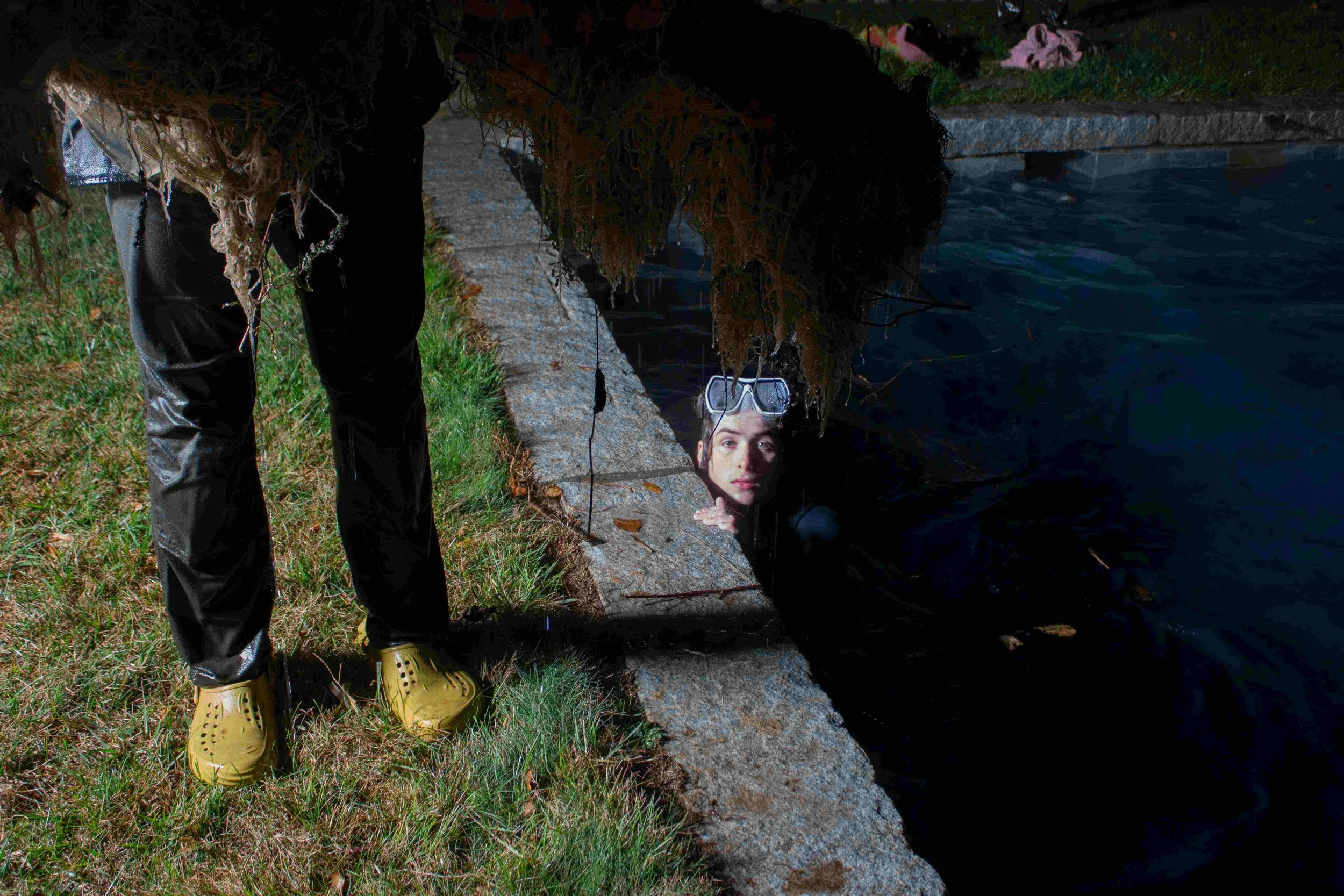
The Next Photographers: Izzy Koz
Izzy is a 23-year-old photographer from Los Angeles, California. Her angular, architectural compositions feel like stills from a bigger picture, hinting at an unseen, even unsettling presence.

The Next Photographers: Maisy Lewis
Maisy Lewis is a 23-year-old photographer from Ojai, California. Her images explore space beyond the physical, entering the psychological relationship between fantasy and reality.
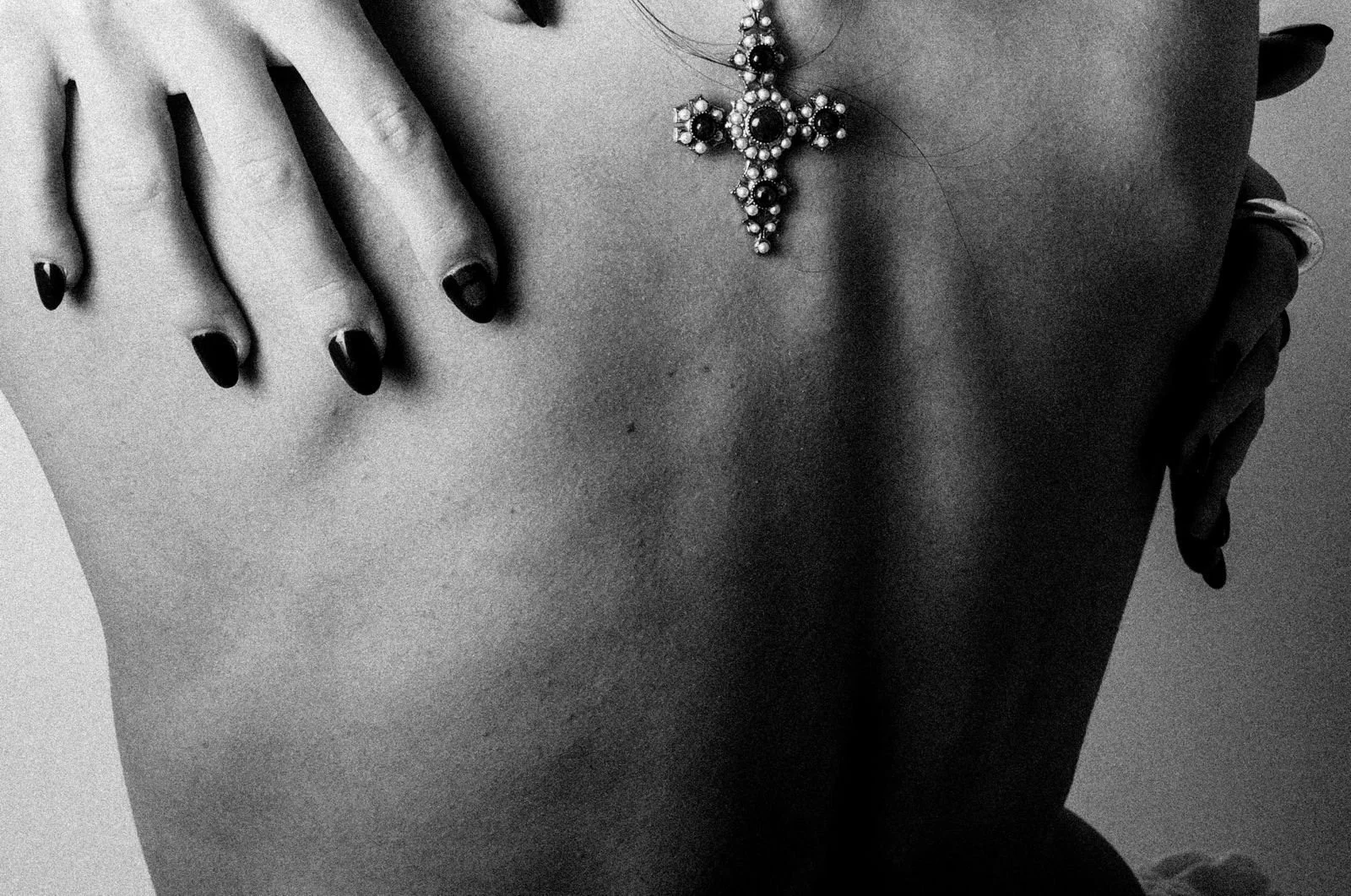
The Next Photographers: Pamela Krinis
Pamela is a 21-year-old photographer from Mexico City whose work centers the intimate textures of femininity, framing skin and fingertips as landscapes.